
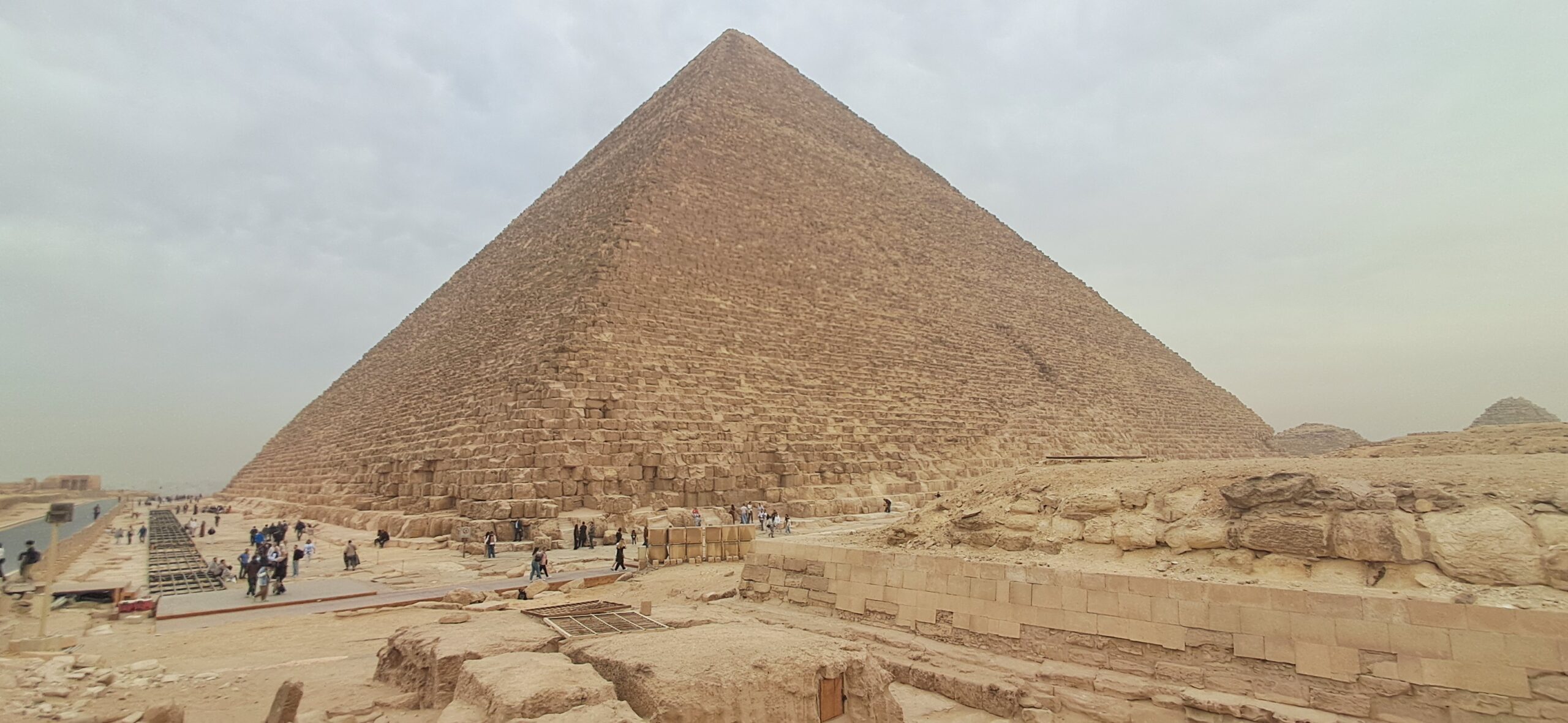
You come in through the gate at Giza, and before the Great Pyramid has finished rearranging your sense of scale, the choreography starts. A man with an enormous smile appears: would you like to ride a camel at the Pyramids? A bit further on, another smile, another camel. It happens several times on the way in.
We said no every time, and to be fair, nobody made it awkward. A grin, a shrug, on to the next tourist. The camels were harder to look at than the handlers. Scrawny is the honest word. Not visibly beaten, not obviously abused, just in the kind of condition that tells you their life is work. And noticeably few tourists were actually riding.
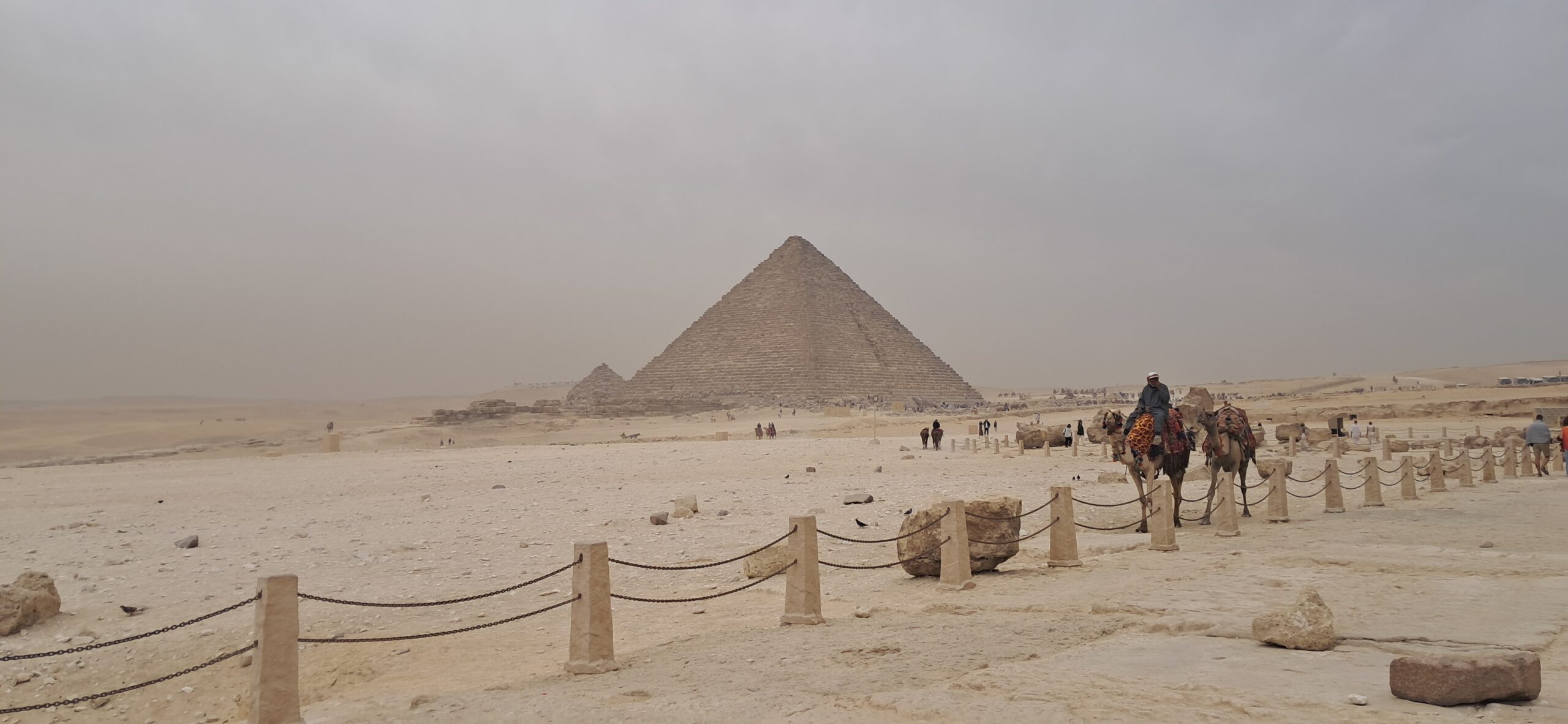
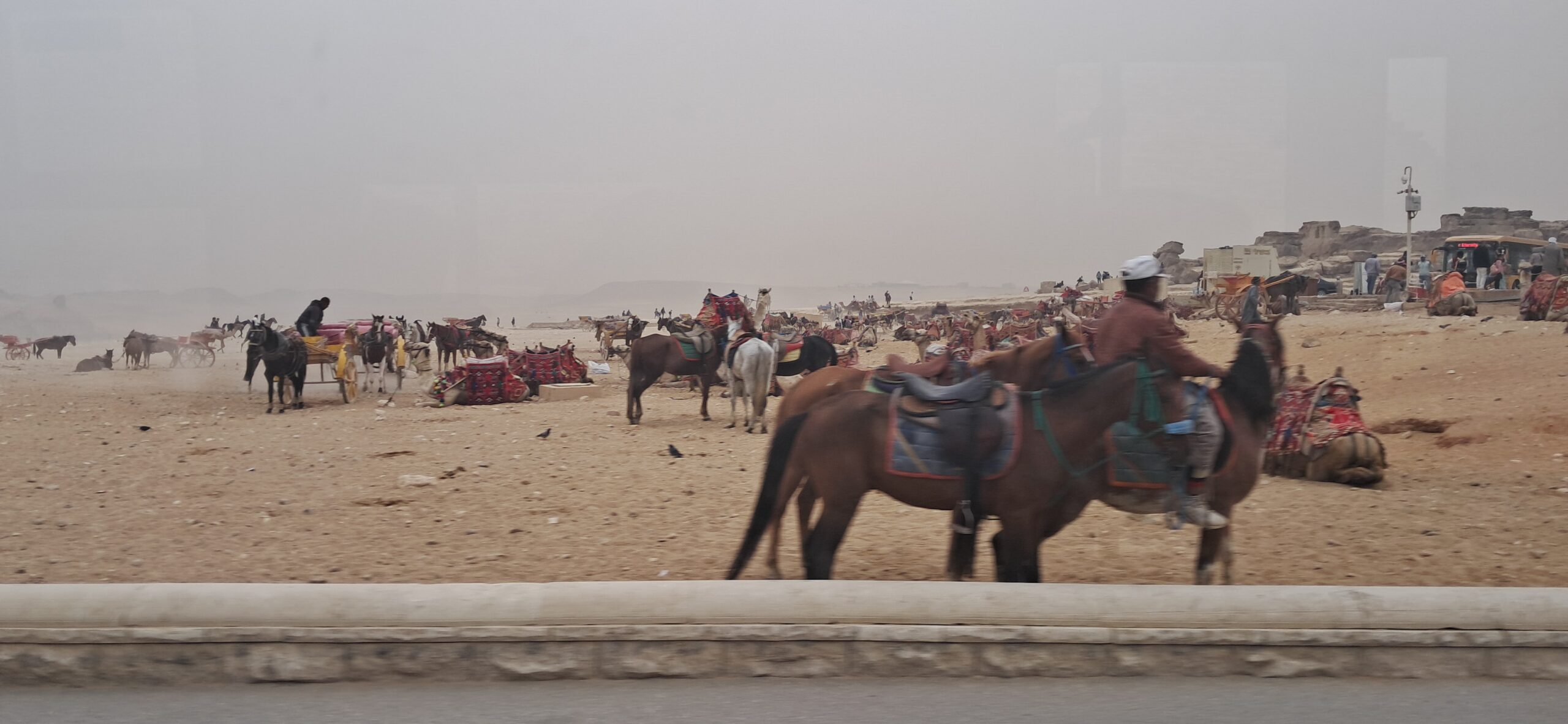
Here is what makes this worth writing about now: six months after my visit, Egypt announced that camel and horse rides at Giza are being phased out. I accidentally watched the closing months of a very old industry.
Full disclosure: I have ridden a camel
Years ago, in India, out into the desert. So I know exactly what the appeal is: it does feel like an adventure, and the photo does look great. I’m not writing this from a tower. I’m writing it as someone who did it once, thought about it since, and wouldn’t do it again.
Why I won’t ride a camel at the Pyramids now
My rule has become simple: my enjoyment is not a good enough reason to put an animal in a bad position. If the animal is in poor health, or the situation is uncomfortable for it, the ride is off the table, and at Giza the condition of the camels answered the question before I’d finished asking it. There is no photo I want that much.
It isn’t only how they look on a good day. PETA’s investigators at Giza have documented animals whipped when they’re too tired to keep going, worked in the heat without reliable food, water or shade, and discarded once they can’t carry tourists any more. You don’t need the worst of it spelled out to make the call. Knowing that much is enough for me.
The handlers are not the villains
This part matters, so I’ll say it plainly: the men selling camel rides are not doing it to disrespect animals. It’s a livelihood, and a squeezed one. Egyptian tourism has been through brutal drops, and with fewer visitors comes more asking, and higher prices. The rides were surprisingly expensive, and I genuinely don’t know whether that’s a good sign or a bad one.
I’m not judging the tourists either. Most people who take the ride want a photo and a moment, and haven’t been given a reason to think past that. What’s moral is personal. All I can tell you is that nobody in our group rode, and that’s how this changes: not through lectures, but through demand quietly drying up, one polite no at a time.
It helps to understand why this has been so slow to shift. Tourism is one of the biggest pillars of the whole Egyptian economy, worth around a tenth of it and supporting millions of jobs. Then COVID emptied the country out, and just as it was clawing back, war in the region scared visitors off again. When livelihoods are squeezed that hard, “stop offering the thing tourists keep asking for” is not a simple ask.
Here’s the hopeful part. The visitors are coming back in force: 2025 was Egypt’s best year for tourism on record, and 2026 is running even hotter. When the money is flowing, the industry can actually afford to change, and every traveller who skips the ride is a small nudge that the demand has moved on. It’s quietly the most useful thing you can do with your no.
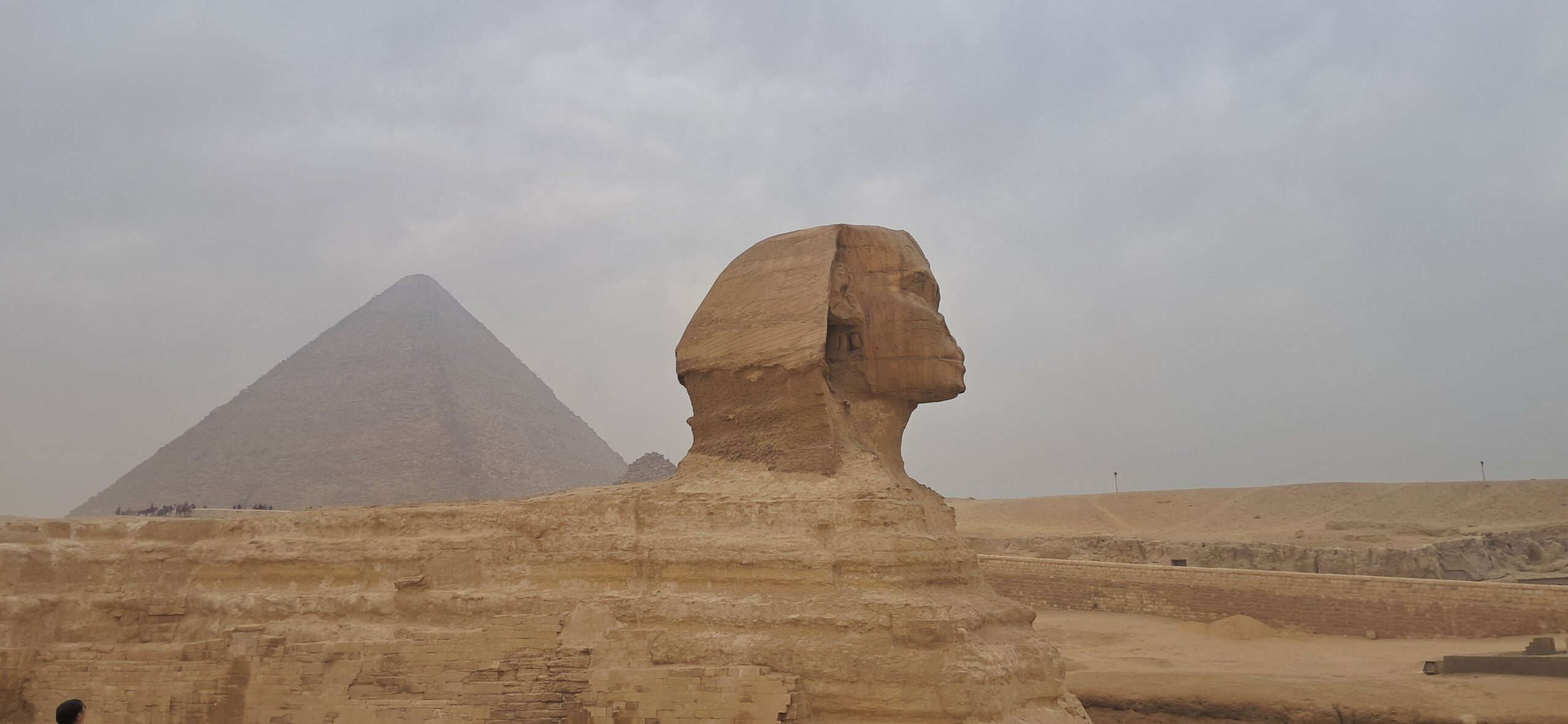
It is already changing
In mid-2026, after a long PETA campaign backed by an undercover investigation and roughly half a million petition signatures, Egypt announced the phase-out of camel and horse rides at Giza, with a fleet of electric shuttle buses meant to take over transport across the plateau.
Before you file this under solved, a reality check: a ban at Giza was first announced back in 2020, off the back of the same campaign. Trust me, it didn’t stop. PETA’s follow-up investigations in the years since kept finding animals beaten when they were too exhausted to carry another tourist, and I was still being offered a camel several times on the walk in, in January 2026. I didn’t see a single electric bus, either. Even now, with the phase-out announced, plenty of operators still sell a Giza camel ride as an optional extra. Announcements here are the start of a process, not the end of one, so expect the smiles and the asking to continue for a good while yet. The promise is that once the electric buses actually turn up in numbers, saying no will cost nothing: there will be a comfortable, animal-free way to do exactly what the camel was for.
It’s part of a wider shift. At Edfu on the Nile, the carriage horses’ condition became notorious enough that major operators started dropping the temple from itineraries altogether rather than support the trade. Tourist choices did that. Quietly, collectively, and without a single confrontation at a ticket gate.
What to do instead
Walk. The Giza plateau is more walkable than the sales pitch suggests, and the new shuttles cover the distances. Put the ride money into the economy another way: food, a vendor, a tip for a guide who did their job well. If you genuinely want time with a camel, my honest suggestion is to offer the handler the same money to walk alongside one instead. You get the encounter. Nobody carries you.
And if you’re booking a tour, check whether animal rides are sold as add-on extras. The tour I travelled with didn’t offer them, and that was one of the reasons I picked it. Operators notice what makes people book. That’s the lever you hold. For how I choose operators generally, my ethical orangutan trekking guide covers the same red flags in a different jungle.
Quick answers
Are camel rides at the Pyramids banned?
Officially being phased out, with electric buses replacing animal transport across the plateau. But the first ban announcement was in 2020 and rides were still everywhere in early 2026, so expect to be offered one for a while yet. The polite no still matters.
Are the camels at Giza mistreated?
PETA’s investigation documented overwork and poor conditions, and it drove the phase-out. What I personally saw in January 2026: animals in poor condition, no violence.
What do I say when a handler asks?
A smile and a no thanks. In my experience they weren’t pushy, and refusing was entirely unremarkable.
This is what World Kind is for: seeing extraordinary places without an animal paying for it. If that’s your kind of travel, start with the orangutan trekking guide or the honest truth about being vegan in Egypt.
For how this fits into a wider trip, see my guide to ethical travel in Egypt.
