
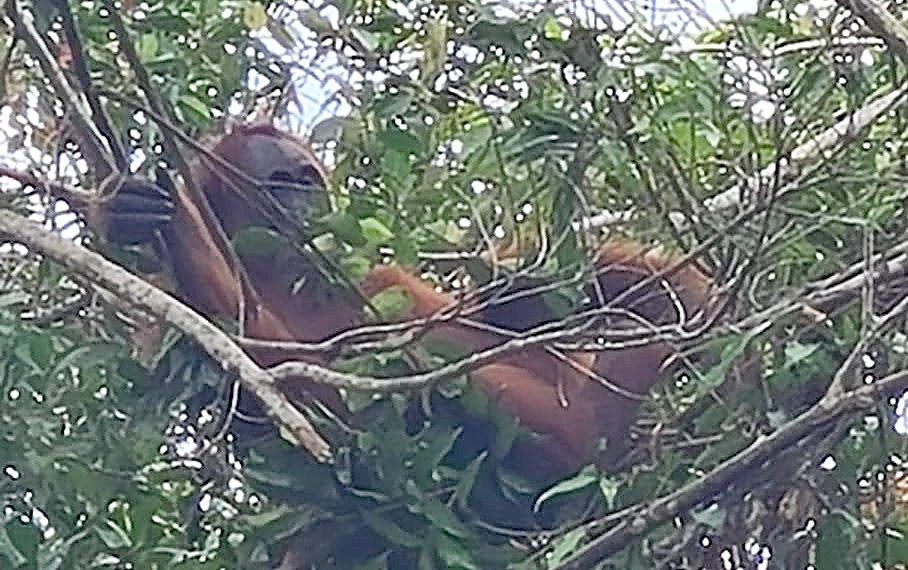
I did a lot of research before going to Bukit Lawang. Mainly trying to figure out how to get there, how the trekking works, and how to do it in a way that actually fits my ethics. I’d also read quite a bit about leeches (they exist, but please don’t let that stop you), and had a general sense this might be one of those places that’s harder to figure out than it should be.
This Bukit Lawang travel guide covers everything I think is actually useful to know before you go. No generic advice. Just what it was actually like, so you know what to expect.
Getting There
The easiest way to reach Bukit Lawang is to fly into Medan. We flew from Bali, but there are connections from other parts of Indonesia and, if you’re coming from further afield, you’ll likely connect via Jakarta or Kuala Lumpur.
From Medan, it’s around 3.5 to 4 hours by road. We arranged a private transfer through our guesthouse, which I’d recommend. It was simple, affordable (around £50 for two of us), and meant we didn’t have to think about logistics after a long day of travel.
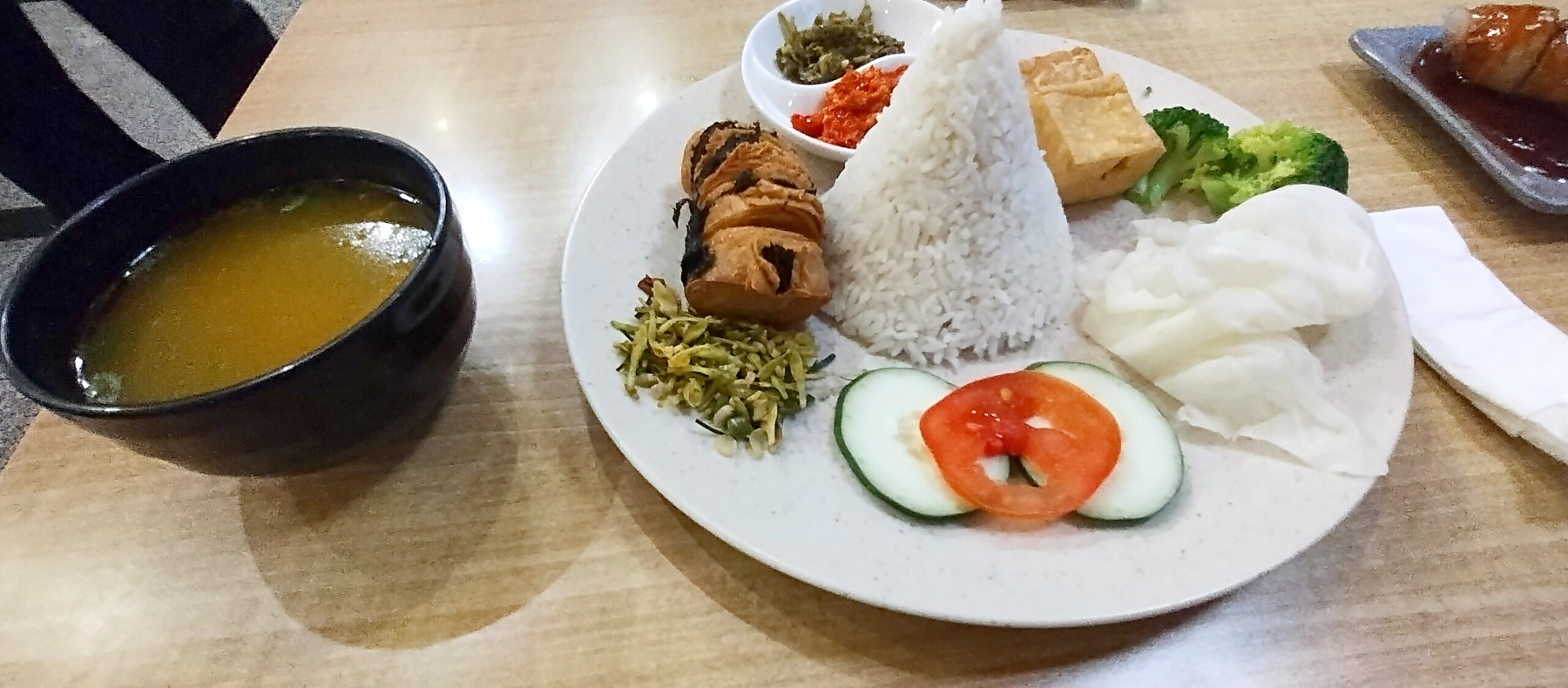
On the way, our driver stopped in Medan so we could eat. I’d pre-found a Chinese vegan restaurant on HappyCow called LN Fortunate Coffee, and it turned out to be a really good call. We had dinner there and stocked up on snacks for the road. The driver was happy to wait, and we bought him a meal too.
I’d read things online saying not to travel at night because the roads are bad. We arrived late and did the whole journey in the dark with no issues whatsoever. So take that with a pinch of salt.
When you arrive in Bukit Lawang, you’ll be dropped at the road because the village is pedestrianised. From there, you walk in. It was raining when we got there, but two people from Green Hill came out to meet us, carried our bags, and led us through. We arrived around 10:30pm. Everything was still open. We were given a drink and they cooked us food straight away. Arriving late is not a problem.
Where to Stay
We stayed at Green Hill, which is also where we booked our trek. I’d chosen them because of their approach to ethical trekking and the fact that the owner is vegan. (Both relevant to me. Both confirmed before I booked.)
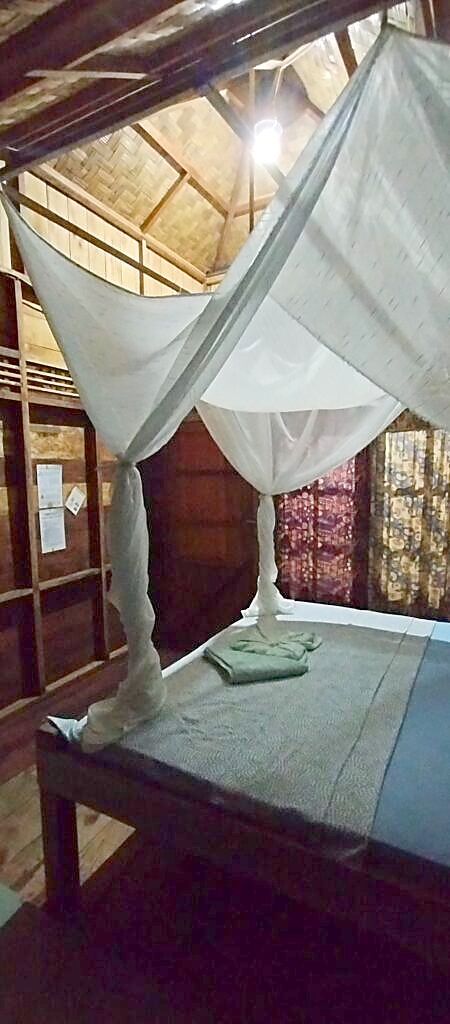
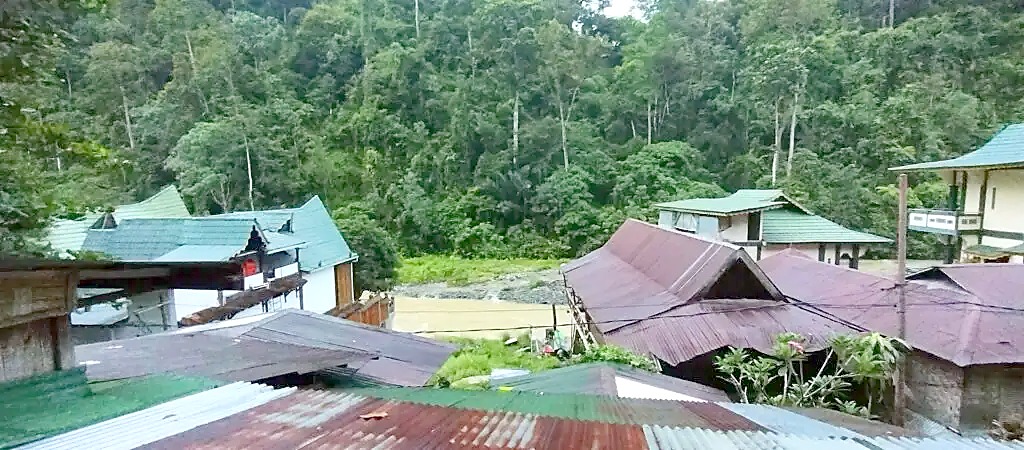
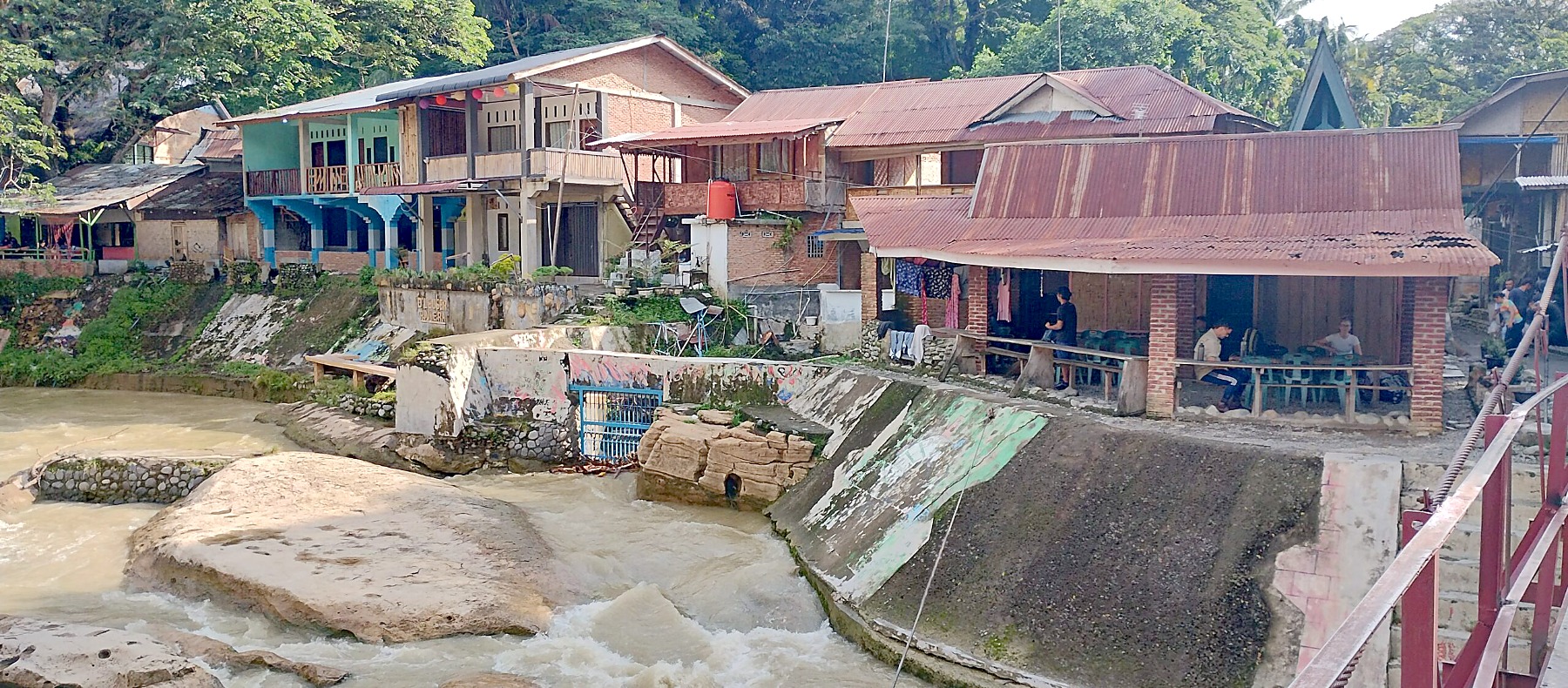
It’s a simple, jungle-style guesthouse: wooden rooms, fans, mosquito nets, basic but exactly right for where you are. Our room had a small balcony. The whole place sits right by the river, with a lovely outdoor area for eating. The bathroom and shower are outside, which I was genuinely delighted by. My partner considerably less so, until we actually got there and he realised it was fine.
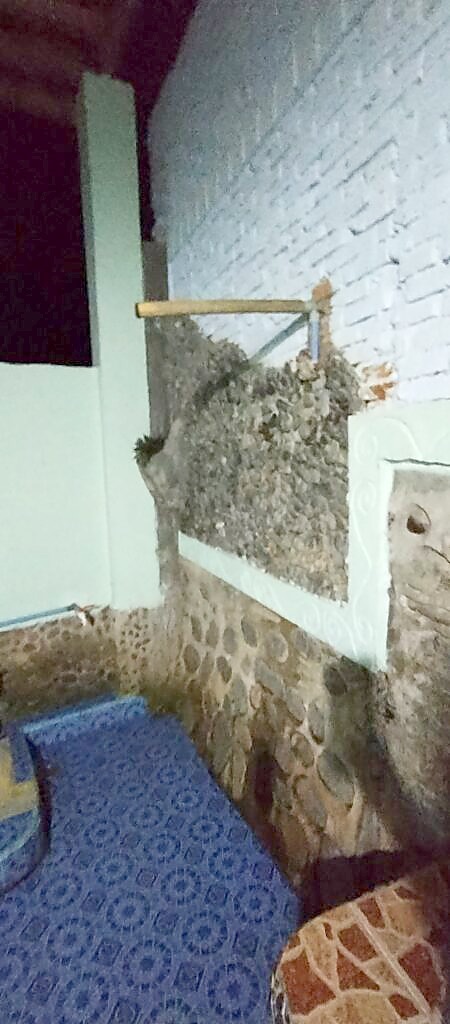
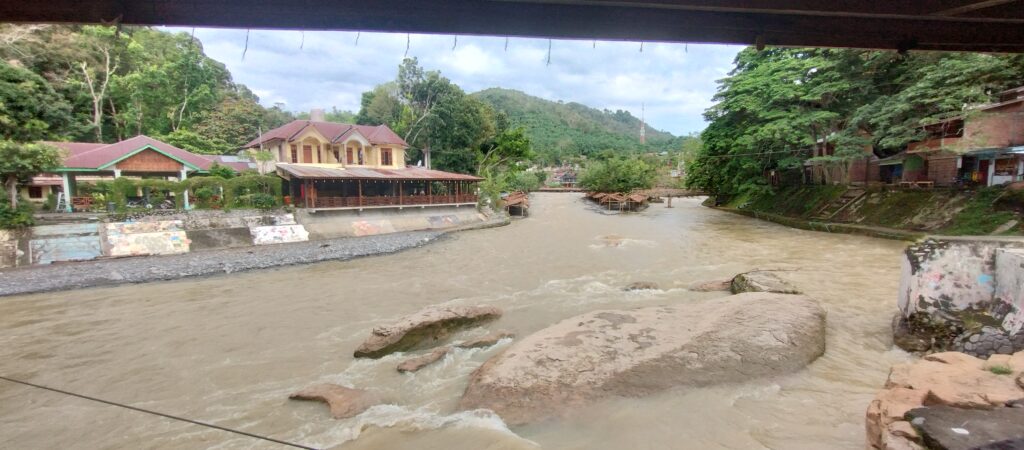
The shower is a pipe coming out of a wall with cold water running through it. A high wall in front for privacy, and a view straight across the river into the national park while you wash. Rustic and perfect. It’s all part of being in a place like this.
There are loads of macaques around the village, especially on rooftops. We were woken the first morning by banging above us, looked outside, and saw them running across the roof. You’ll see them constantly throughout the village too. Don’t leave anything out on your balcony; they will go for it. (I know from experience.) And it goes without saying: don’t feed them.
There are other accommodation options in Bukit Lawang with more comforts if the rustic setup isn’t for you. But if you want my honest recommendation, stay somewhere like Green Hill. The atmosphere, the location right by the river and park entrance, the food, the knowledge of the guides: worth more than air conditioning.
Best Time to Visit
Most travel guides will tell you dry season (May to September) is best. I went in January, right in the wet season, and honestly it worked out brilliantly. There were a couple of heavy downpours, one while we were rafting back from the trek, but nothing that stopped anything. The jungle felt incredibly green and alive in a way it probably doesn’t in the dry season.
That said, the area has a history of flooding and landslides during heavy wet seasons, so it’s something to be aware of and worth checking closer to your travel date. But don’t use the weather as a reason to keep putting the trip off. Better to go imperfectly than not at all.
What to Pack (What Actually Matters)
You don’t need to overpack, but a few things make a genuine difference.
Lightweight long-sleeved tops and long trousers are essential for trekking: protection from bugs, sun, and plants. Long socks you can tuck your trousers into help with leeches (more on those shortly).
For footwear: I’d been told trainers were fine, but I had hiking boots and was very glad I used them. The extra grip matters, especially on the steep muddy descent on Day Two. I wouldn’t buy hiking boots specifically for this trip, but if you own them, bring them.
Insect repellent: go for something natural if you can, citronella or eucalyptus-based rather than harsh chemical sprays. You’re in a national park. What you put on your skin goes into the environment.
Binoculars: I forgot mine on Day One of the trek and regretted it the moment we spotted gibbons on a ridge. Bring them. Small lightweight ones are fine.
Snacks from home or Medan: Bukit Lawang has vegan options, but it’s a small village and there’s not much for grabbing things on the go. Stock up on the way through Medan if you can.
Leeches: the Honest Reality
Yes, they exist. Yes, I got some. No, it’s not a reason to avoid the trek.
You genuinely cannot feel them bite. Our guides on Day One applied a tobacco-and-water concoction to our boots and sock hems which helped considerably. Even so, I found a few when we stopped to take our shoes off at a stream. My partner handled them. I did not panic. (Much.)
In rainy season you’ll get more of them. In dry season, fewer. Either way: put them out of your mind, keep your trousers tucked in, and don’t let it be the reason you skip this place. It really, genuinely isn’t a big deal.
Vegan Food in Bukit Lawang
Better than you’d expect for a small village.
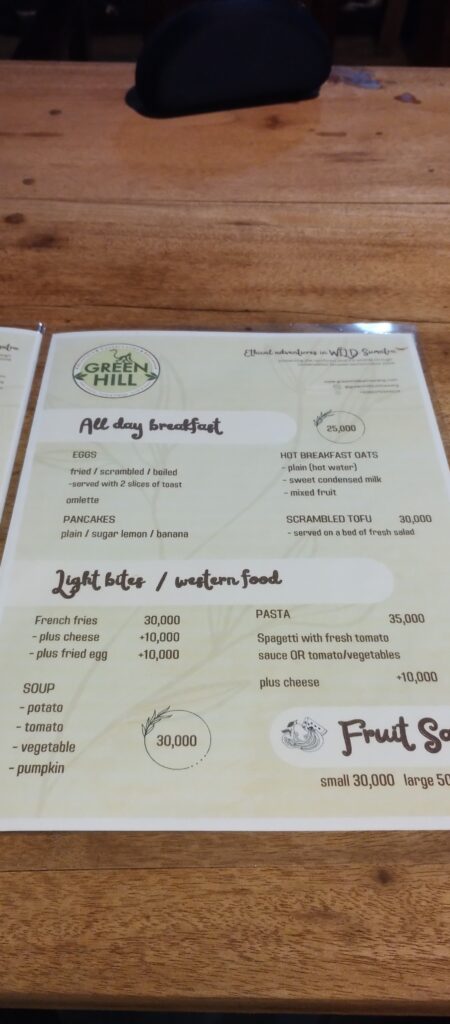
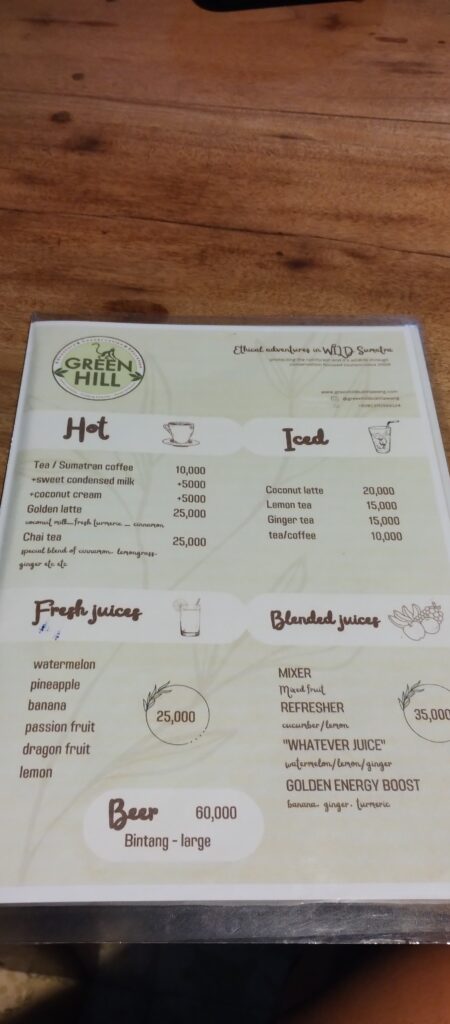
We ate at Green Hill for every meal, including during the trek itself. The food was consistently good: nasi goreng, tempeh, curries, salads, fresh fruit. Everything clearly prepared with care rather than as an afterthought.
There are a few other places listed on HappyCow for Bukit Lawang, so options exist beyond your guesthouse. Indonesia in general is very vegan-friendly: tempeh is everywhere, coconut milk-based dishes are common, and “tanpa daging” (without meat) is understood. You’ll be fine.
The Medan stop I mentioned above is worth planning. LN Fortunate Coffee on HappyCow was excellent and a good chance to stock up before the drive.
The Trek and the Orangutans
This is why you’re going. Bukit Lawang sits at the edge of Gunung Leuser National Park, one of only two places on earth where you can see Sumatran orangutans living wild. The trek is the main event.
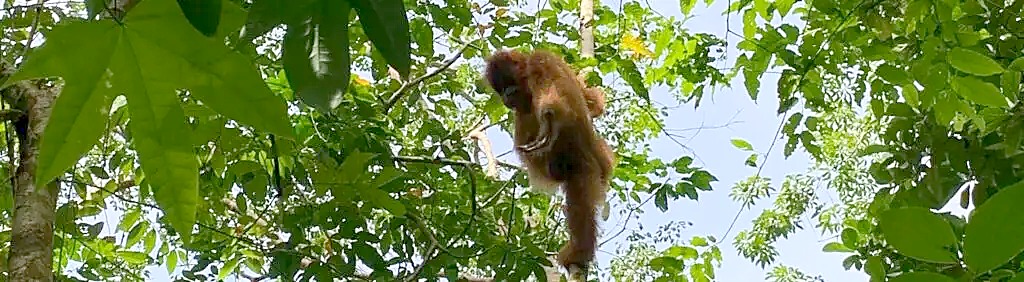
I did the two-day trek with an overnight eco lodge stay through Green Hill. We saw multiple orangutans, white-handed gibbons, Thomas leaf monkeys, a tortoise that nearly nipped my partner’s feet, a jaw-dropping waterfall at the bottom of the descent, and Roy falling out of the raft on the way back. (He was fine.)
Which company you book with matters a lot. Not all operators work the same way, and the difference shows quickly once you’re in the jungle. For the full breakdown on why and how to choose: Ethical Orangutan Trekking in Bukit Lawang: Do It the Right Way.
And for the full honest account of what two days in the jungle is actually like: Bukit Lawang Jungle Trek: What It’s Really Like.
What Surprised Me
The atmosphere, immediately. I didn’t know what to expect from a small village in northern Sumatra and was genuinely taken aback by how calm and friendly and unhurried it felt. You’re a short walk from a world-class wildlife destination and it somehow doesn’t feel touristy at all.
The macaques were the other thing. I knew they’d be around, but not quite how completely they’d be part of daily life: rooftop banging at 7am, watching you eat, sitting in the trees ten metres from where you’re having dinner. You get used to it fast and then you miss it when you leave.
Looking out from Green Hill across the river straight into the national park is something that sticks with you. That view. Just sitting there having breakfast, watching the jungle on the other side of the water, knowing that in a few hours you’ll be in it.
What I’d Do Differently
Stay longer. We had three nights including the trek and it wasn’t enough.
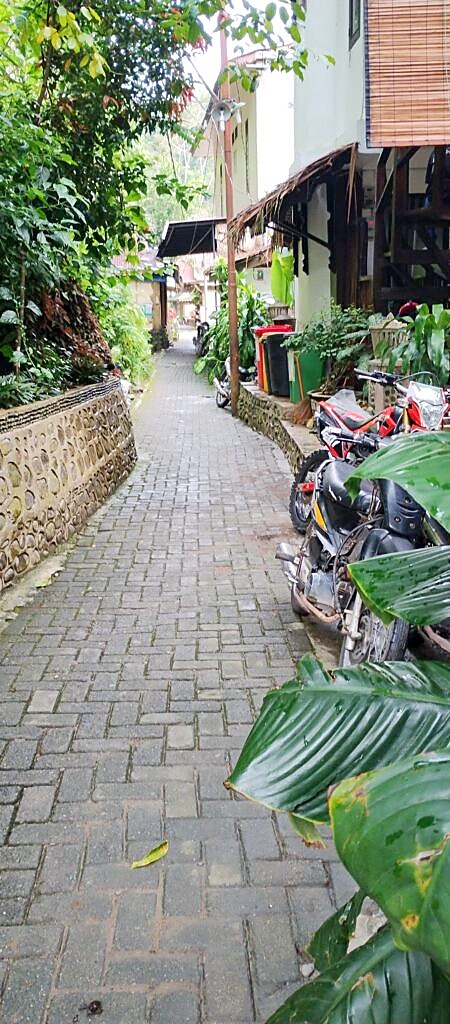
If I went back I’d spend a couple more days just being in Bukit Lawang before or after the trek. Wandering the village, eating well, sitting by the river, watching the macaques make questionable decisions. It has that rare quality of being somewhere genuinely relaxed, and I rushed it.
I’d also seriously consider a longer trek to get further into the park. The further you go from the main tourist trail, the quieter and more extraordinary it gets. You’d likely have a better chance of seeing fully wild orangutans rather than the semi-wild population near the village. Something I’ll do next time. (There will be a next time.)
Bukit Lawang is one of those places. You know the ones. You get there and within about twenty minutes you understand why people end up staying for weeks. Go. Just make sure you choose who you trek with carefully. The orangutans are the whole point, and how you experience them is up to you.
